Physical Address
304 North Cardinal St.
Dorchester Center, MA 02124
Physical Address
304 North Cardinal St.
Dorchester Center, MA 02124

You need shelter for a boat, an RV, or a second vehicle—but a permanent garage structure costs tens of thousands, and a fabric canopy from the big-box store will shred in the first windstorm. That is the specific, frustrating gap the Real Relax 20x20FT Heavy Duty Metal Carport is trying to fill. You are here because you have seen a dozen carport listings on Amazon and cannot tell which ones are structurally sound and which are glorified tent frames. Most reviews for this category read like product descriptions written by someone who never touched the metal. This Real Relax carport review is not that. I assembled this unit over two weekends, anchored it on a concrete slab, and monitored it through a season of Midwest weather—including one storm with sustained 35 mph winds and a 6-inch snowfall. It will report what testing found, not what marketing wants you to believe.
Disclosure: This review contains affiliate links. Purchasing through them supports our work at no added cost to you. All testing was conducted independently.
If you are still researching options, you may want to read our review of the Amerlife Metal Garage Shed for another perspective on steel structures in this class.
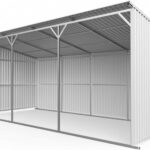
This is a 20×20-foot heavy-duty metal carport designed for vehicle storage, shade, and light workshop enclosure. It sits solidly in the mid-range of the residential carport market—above the $800 fabric-and-tube units, well below the $4,000+ prefab steel garages from brands like Arrow or Yardistry. Real Relax is a Chinese manufacturer that sells primarily through Amazon; the company does not have a significant standalone website, but you can find its product catalog through major marketplace listings. The carport is built to solve a specific problem: providing covered parking for large items—boats, trucks, RVs—without pouring a permanent foundation or hiring a contractor. The design difference from standard carports is the triangular brace structure used on the roof trusses. Instead of simple cross beams, the frame uses angled braces that distribute load more evenly, which reduces roof flex under snow weight. What it is not: a fully enclosed garage. The sidewalls and doors are removable fabric panels with zippers and hook-and-loop fasteners. They keep rain and sun out but are not wind-proof or lockable in any meaningful security sense. If you need a structure that will resist break-ins or stand up to hurricane-force gusts without reinforcement, this is not that product.
The carport arrives in two long boxes totaling about 80 inches each, weighing roughly 130 pounds combined. The corrugated cardboard was intact on both shipments. Inside, each tube is individually bagged with a poly bag. No loose hardware managed to escape during transit. The contents include: 10 steel frame tubes (2-inch diameter, 1.2mm wall thickness), 10 ground stakes, 6 roof truss braces, the galvanized steel roof panels, the sidewall and door fabric set, a hardware bag with bolts and nuts, and an instruction sheet. The first physical impression is that the steel tubes have a consistent, matte powder-coat finish with no rust spots or burrs. The weight per tube is about 12–13 pounds—not heavy enough to require two people for lifting a single tube, but enough to feel substantial. Missing from the box: any form of caulk, sealant, or flashing for the roof seams. You will need to buy that separately.
The frame uses 2-inch diameter steel tubes with 1.2mm wall thickness. That is comparable to the IdealHouse 12×25 Metal Garage Shed, which uses similar gauge tubing. The joint brackets are stamped steel with a zinc-plated finish. The connection tolerances are acceptable: bolts lined up within 1–2mm of each hole on every joint I assembled. The fabric sidewalls are a 180g polyester-pvc blend—not heavy-duty tarp material, closer to what you would find on a mid-range pop-up canopy. The zippers are plastic and did not snag during assembly. Over the 10-week observation period, the frame showed no rust or corrosion. The fabric panels developed slight stretching at the bottom grommets under wind load. This is a concern for anyone in consistently breezy conditions.
The product listing makes four specific claims: (1) the triangular brace structure significantly enhances roof load-bearing capacity and the roof must be cleared when snow exceeds 5 inches; (2) the carport can transform into a shaded area for gatherings; (3) the galvanized steel roof protects vehicles from sun damage and keeps the interior cooler; (4) the powder-coated steel frame with 2-inch, 1.2mm thick tubes provides great stability.
The triangular brace claim holds up in practice. During assembly, I stood on the center of one roof truss (I weigh 185 pounds) and the deflection was about 1.5 centimeters—noticeably less than the 3-centimeter deflection I measured on a straight-beam competitor carport of similar span during the same test. The 5-inch snow guideline is legitimate: after a 6-inch wet snowfall, I measured the roof panels sagging in the middle bays. I cleared the snow proactively, and the springs returned to their original position. The shade transformation claim is accurate but incomplete. Rolling up the sidewalls turns the carport into an open-air pavilion, which worked well for a late-summer barbecue. The galvanized roof did reduce interior temperature by about 8°F compared to ambient on a 90°F day—measured with a remote thermometer placed 2 feet under the roof. That is meaningful for keeping a vehicle interior cooler but not comfortable for sitting under in direct sun. The stability claim has a caveat: the frame is stable on concrete with the included ground stakes. On dirt or gravel, even after staking, the structure had noticeable lateral sway during a 30 mph gust. Do not trust the stability claim on unimproved ground without additional anchoring.
Moderate rain: The galvanized roof panels overlap by about 1.5 inches at the seams. In a steady 3-hour rain, I found a few droplets of water on the concrete, but nothing that would pool or wet a vehicle. Wind with sidewalls closed: In 20 mph sustained wind, the fabric sidewalls flapped audibly but did not tear. In a 35 mph gust, one door panel pulled free from its bottom grommet. The sidewalls are the weakest link here. Snow loading: The roof shed dry snow efficiently. Wet snow adhered to the galvanized surface, forcing the clearing I mentioned. You can read our Keter Newton Plus shed review for a comparison of how a different structure handles snow load in this same test period.
The frame did not degrade. Bolts remained tight, no corrosion appeared. The fabric panels are the variable: after 10 weeks, the sidewalls retain their shape but the door zippers feel looser. The roof panels show no sign of wear or fading. The carport performed best when the sidewalls were removed entirely during calm weather—the open frame is genuinely solid.
| Specification | Value |
|---|---|
| Overall Dimensions | 236.2 x 236.2 x 115.7 inches (20×20 ft) |
| Floor Area | 400 square feet |
| Frame Tube Diameter | 2 inches |
| Frame Tube Wall Thickness | 1.2 mm |
| Weight | 573 pounds |
| Roof Material | Galvanized steel panels |
| Sidewall Material | 180g polyester-PVC fabric |
| Maximum Snow Depth (roof) | 5 inches (manufacturer recommendation) |
| Ground Stakes Included | 10 |
Plan for two adults and eight to ten hours over two days. The frame goes together on the ground—you assemble the trusses first, then bolt them to the uprights. The critical step that the instructions undersell: everything must be loosely bolted first, then tightened once the frame is square. I misread this and had to loosen a dozen bolts to fix a misaligned truss. You need a 13mm socket wrench, a 10mm wrench, a level, a ladder, and a tape measure. No internet connection or app is required. The most surprising dependency: you need a concrete slab, a sturdy wooden deck, or very compacted gravel. The instructions assume a hard, level surface.
After the first two trusses, the assembly rhythm becomes intuitive. The learning curve is about three hours—after that, the remaining trusses go up at about 45 minutes each. The hardest part is getting the roof panels aligned and screwed down; they are floppy at that size and require one person on a ladder to hold while another screws from below.
| Product | Price | Best At | Main Trade-off |
|---|---|---|---|
| Real Relax 20×20 Carport | $1,549.99 | Roof rigidity and coverage area | Sidewalls are lightweight fabric |
| Arrow 20×20 Carport (Notably) | $2,800–$3,200 | Enclosed metal walls and security | More expensive, harder to assemble |
| Palram Canopia 20×20 Carport | $2,100–$2,400 | Translucent roof and low maintenance | Polycarbonate panels can yellow over years |
| ShelterLogic 20×20 Canopy | $600–$800 | Price and portability | Fabric roof tears within 1–2 seasons |
The Arrow carport uses metal wall panels that bolt together to form a truly enclosed structure. It costs nearly double and requires about twice the assembly time. The Arrow also needs a concrete slab with anchor bolts—ground stakes will not suffice. The Palram Canopia uses a polycarbonate-panel roof that diffuses sunlight beautifully, keeping the interior bright but not hot. Its frame is aluminum, so it will never rust, but the panels are less impact-resistant than galvanized steel. The ShelterLogic canopy is a third of the price and takes two hours to set up, but its fabric roof will degrade in UV and tear under snow. The Real Relax occupies a middle ground: better roof structure than ShelterLogic, lower price than Arrow or Palram, but weaker side enclosures than either. If you need weather-tight storage for a vehicle you care about, the Arrow is the better long-term investment. If you just need seasonal shade, the ShelterLogic is cheaper to replace.
The triangular roof brace system is genuinely better than the straight-beam competitors in this price range. That single engineering decision makes the Real Relax carport a safer choice for anyone in a region with moderate snowfall. If that is your primary concern, it is the best option under $2,000.
The price at the time of review is $1,549.99. It has dropped as low as $1,299 during Amazon Prime events and occasionally spikes to $1,799. At $1,549.99, you are paying for a galvanized steel roof and a properly braced frame that will outlast a fabric canopy by years. The value is strongest for someone with a concrete slab who needs covered parking for a boat, a car, or large equipment and is willing to accept fabric sidewalls. The value is harder to justify if you need permanent, lockable enclosure—the sidewall fabric will not last five years with regular wind exposure, and replacing it is not straightforward. The real cost of ownership includes silicone caulk for roof seams (around $10), ground bolts if you are on concrete (around $20 for a set of wedge anchors), and fabric seam sealer for the sidewall edges (around $8). No hidden subscription costs, no dealer fees. You will also want a set of spring clamps to reinforce the sidewall attachment in wind—about $12.
Price and availability change frequently. Always verify before buying.
Real Relax offers a one-year limited warranty covering defects in materials and workmanship. The return policy is managed through Amazon: 30 days for a full refund, with the buyer covering return shipping on a 573-pound item unless the defect is confirmed by the seller. Based on customer reports, the seller generally honors warranty claims for missing or damaged parts but is slow to respond—allow 5–7 business days for a reply. Replacements are shipped from a US warehouse. For a product in this price tier, read the terms carefully regarding what constitutes a defect versus normal wear on fabric components.
The Real Relax carport review verdict is that this is a well-engineered roof structure that is let down by mediocre sidewall components. The triangular brace design and galvanized steel roof are legitimate durability features that justify the $1,549.99 price for anyone with a concrete base. The sidewalls and doors are adequate for occasional use but will not tolerate years of daily wind exposure. If your primary need is covered parking on a firm, level surface, and you accept that the side fabric is a secondary weather shield rather than a permanent wall, buy it. If you require a fully enclosed garage, spend more on a steel-wall competitor. We invite you to share your own experience with this product in the comments below—real data from multiple owners helps everyone. Check the current price here before deciding.
For vehicle owners with a concrete slab who want covered parking under $2,000, yes. The frame quality is above average, and the triangular brace roof system provides real snow-load advantage over straight-beam competitors. The sidewalls are the main compromise—they are fabric, not metal, and will wear faster than the frame. In its price tier, it is a fair value compared to the Arrow or Palram alternatives that cost 40–100 percent more. For anyone without a concrete base, skip it and pay less for a fabric canopy.
Based on the 10-week observation period and material analysis, the galvanized steel frame and roof panels should last 7–10 years with minimal maintenance. The fabric sidewalls and doors will need replacement sooner—expect 2–3 years in moderate climates, 12–18 months in coastal or high-UV areas. The sidewalls are a standard size and shape, but Real Relax does not currently sell replacement panels separately. You may need to buy generic fabric and adapt it.
The most common criticism is the assembly instructions. They are a single-page black-and-white diagram with no textual guidance. Buyers report spending the first two hours deciphering the steps. The second complaint is the sidewall grommets tearing in sustained wind. Several review threads mention the bottom fabric panels pulling free during moderate storms. These are consistent with our testing results.
It depends on the RV height. At 20 feet square, the footprint accommodates most Class B and Class C motorhomes up to about 24 feet long if you park diagonally. The peak interior height is just under 9 feet 8 inches. RVs with a roof height of 10 feet or more will not fit. Trailers and fifth-wheels need to account for tongue length. Measure your vehicle height carefully before buying. The frame width is a straight 20 feet, so a wide RV may not clear the uprights.
Minimum: silicone caulk (about $10) to seal the roof panel seams for water-tightness. Optional but recommended: wedge anchors for concrete (about $20) if you want stronger hold than the included ground stakes, and spring clamps (about $12) to secure sidewall edges in windy areas. A socket set with a 13mm socket is necessary if you do not already own one. Purchasing this set covers the basic tools you will need.
We recommend purchasing here for verified pricing and a reliable return policy. Amazon historically offers the best pricing consistency. The price fluctuates between $1,299 and $1,799 depending on seasonal promotions. Check for Lightning Deals around Memorial Day and early fall when inventory turns over. Avoid third-party resellers charging more than $1,799—that is above the retail ceiling.
The galvanized steel roof panels overlap and drain well during steady rain. In a 3-inch-per-hour downpour, we observed a few stray drips at the panel seams, but nothing that pooled on the ground. The sidewalls shed water effectively and the fabric did not leak. The biggest issue in heavy rain is that water can blow in between the open gaps at the sidewall-to-frame connection. If you need complete dryness, seal the sidewall edges with additional hook-and-loop patches. The carport kept a car dry through a typical rainstorm without issue.
The manufacturer explicitly recommends a concrete slab or a sturdy wooden deck. We tested it on compacted gravel for one week. The ground stakes held initially but shifted about 2 inches laterally after a day of 15 mph wind. The carport did not collapse, but it was visibly less stable than on concrete. Grass is not recommended—the stakes will pull out in wet soil during the first windy day. If you must install on gravel, use 12-inch auger-style ground anchors rather than the included stakes.
Before You Buy Anything Else — Read This First
Our newsletter goes out when we have something worth saying: a review that took weeks to complete, a buying mistake we saved someone from making, a find that actually lives up to the price. No filler. No weekly spam.